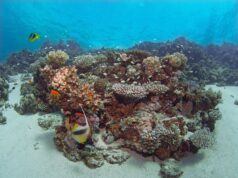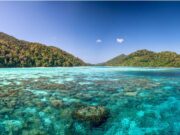


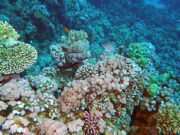


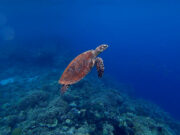

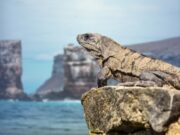

Plunging into the Pacific waters of the Galápagos is far more than just another holiday; it is a transformative, bucket-list experience that feels like stepping back into a prehistoric era. Galápagos Islands diving is a true pilgrimage to the birthplace of evolutionary theory, where marine iguanas forage like aquatic dinosaurs and hammerhead sharks congregate in their hundreds.
You might experience a gentle drift past curious sea lions or the sudden, awe-inspiring silhouette of a whale shark. To truly master this archipelago, one must navigate complex currents and seasonal shifts, making a dedicated liveaboard expedition, the gold standard for exploration.
This guide covers the best seasons, dive styles, iconic sites, preparation tips and conservation advice, helping you turn your dream Galápagos diving adventure into reality.
Why Dive the Galápagos Islands?
Galápagos Islands diving is a call to the wild. This is no aquarium; the environment is raw, dynamic and utterly captivating. The archipelago delivers a rare combination of thrilling big-animal encounters, stunning biodiversity and pristine marine ecosystems.
Unmatched Pelagic Theatre
From Gordon Rocks to Darwin and Wolf Islands, you’ll encounter spirals of scalloped hammerhead sharks, manta ray formations, hunting tuna, and acrobatic dolphins. Liveaboard diving offers the best access to these high-octane pelagic sites, allowing UK divers to fully immerse themselves in the action.

A Living Laboratory of Evolution
The Galápagos is a playground for both marine giants and unique smaller species. Observe curious sea lions, the elusive Galápagos penguin and underwater landscapes dotted with marine iguanas. Every dive reveals new surprises, making it a paradise for underwater photographers and naturalists alike.
Pristine & Protected Wilderness
Diving in the Galápagos means entering a UNESCO World Heritage Site where conservation is taken seriously. Healthy reefs and abundant fish populations reflect decades of protection, making every dive an ethical as well as exhilarating experience.
When to Dive the Galápagos
The archipelago has two distinct seasons, each shaping the diving experience differently:

| Season | Period | Avg. Water Temp | Visibility | Currents & Seas | Wildlife Highlights |
| Warm/Wet | Dec–May | 21–27°C | 15–30m+ | Calm, milder currents | Sea lion pups, marine iguana activity, breeding rituals |
| Cool/Dry | Jun–Nov | 16–23°C | 10–20m | Stronger currents, more swell | Hammerheads, whale sharks, manta rays, seabird breeding |
Warm Season (Dec–May): Ideal for beginner-friendly dives, calm waters, and crystal-clear visibility. Reef life is vibrant, and underwater photography flourishes in sun-drenched conditions.
Cool Season (Jun–Nov): For experienced divers seeking epic pelagic encounters. Strong currents and lower visibility are rewarded with hammerhead and whale shark sightings. Liveaboard expeditions during this period offer the ultimate access to Darwin and Wolf Islands, where the big animals gather.
Planning your trip around these seasonal patterns is essential to maximise wildlife encounters and ensure comfort. Scuba Travel offers flexible seasonal itineraries, making it easier to match your holiday schedule to the Galápagos diving calendar.
Choosing Your Dive Style: Liveaboard vs. Land-Based

Liveaboard Expeditions
Liveaboards are ideal for serious divers wanting to explore remote northern sites like Darwin and Wolf Islands.
Pros:
- 3-4 dives per day at world-famous pelagic sites
- All-inclusive logistics handled for you
- Immersion in the dive rhythm and community
Cons:
- Higher cost
- Fixed schedule and advanced diving required
Scuba Travel liveaboards offer divers purpose-built itineraries, expert guides and all-inclusive comfort for these iconic adventures.
Land-Based Adventures
Operating from Santa Cruz or San Cristóbal, these trips focus on central islands with daily boat dives.
Pros:
- Flexible schedule, lower cost
- Ideal for mixed groups or family trips
- Combine diving with land-based wildlife tours
Cons:
- Cannot access Darwin or Wolf
- Typically 1-2 dives per day
Divers often prefer liveaboards for the full Galápagos experience, and we provide carefully selected vessels with all-inclusive packages that cater to both novice and experienced divers.
Iconic Galápagos Dive Sites
Galápagos dive sites are as dramatic as the marine life itself. Volcanic formations, submerged craters and sheer underwater walls define the landscape.
- Darwin Island (liveaboard only): Renowned for massive hammerhead schools and seasonal whale sharks.
- Wolf Island (liveaboard only): Intense shark action including Galápagos, silky and hammerhead sharks.
- Gordon Rocks (land-based & liveaboard): Famous for swirling hammerhead encounters in strong currents.
- Cape Douglas (liveaboard only): The only place in the world where divers can reliably see marine iguanas feeding underwater.
- Kicker Rock (land-based): A striking volcanic formation with frequent shark sightings.
Find an itinerary specifically designed to maximise encounters at these iconic locations, ensuring that you get the most out of each dive .
Skill Requirements & Preparation
Galápagos diving demands respect. Strong currents, cooler temperatures and variable visibility make it unsuitable for beginners.
- Certification: Advanced Open Water minimum; 50+ dives recommended, 50–100 for Darwin/Wolf. Nitrox certification is highly advisable.
- Gear: 7mm wetsuit, hood, gloves; SMB; reef hook; streamlined equipment setup.
- Fitness & Skills: Practice buoyancy control, drift dives, negative entries, and current navigation before the trip.
Divers should prepare in local cold-water sites to build confidence before tackling the Galápagos currents.
Planning Your Galápagos Dive Trip
You should think about booking 6-12 months in advance. Key steps include:

- Book Your Trip: Explore Galápagos liveaboards.
- Flights: Connect via Quito or Guayaquil to Baltra or San Cristóbal.
- Fees & Documents: Prepare National Park fees ($200) and Transit Control Card ($20), confirm travel and dive insurance, and check visa requirements.
- Pack Strategically: Wetsuits, gloves, binoculars, reef-safe products.
- Final Preparation: Confirm insurance, offline maps, and documentation.
Diving with a Purpose: Conservation
Diving here is a privilege that grants you access to one of the planet’s most fragile and strictly protected marine ecosystems. As a visitor, you carry a responsibility to act as a guardian of this wilderness.
This stewardship begins with impeccable buoyancy control to protect the volcanic reefs and extends to every animal interaction. National Park rules are strict: always maintain a respectful distance of at least two meters, never touch or chase the wildlife, and allow the animals to dictate the pace of the encounter.
Your Galápagos Diving Adventure Awaits
A trip to these islands is more than just a holiday; it is a milestone in any diving career. From the volcanic arches of the north to the sun-drenched colonies of sea lions in the south, Galápagos Islands diving delivers a raw, prehistoric energy that simply cannot be found anywhere else on Earth.
The decision is no longer if you should go, but when.
The legendary sites of Darwin and Wolf are waiting!
Ensure your best experience on a dedicated Galápagos liveaboard diving expedition.
FAQ Highlights
- Suitable for beginners? Usually not; strong currents and cooler waters require experience.
- Best time for whale sharks? June–December, during the cool season.
- Liveaboard or land-based? For hammerheads and whale sharks, liveaboards are essential.
- Wetsuit thickness? 5–7mm with hood and gloves recommended.
- Guaranteed hammerheads? Wildlife sightings are never 100% guaranteed, but northern sites offer high probability.
Image credits:
- Iguana in the Galapagos: Divebooker